
High Level Panel - State of Play: Community Economies in Practice at the Global Summit on Collective Livelihoods and Conservation
How can we strengthen economic systems rooted in community experiences, principles, and worldviews for a resilient, sustainable, healthy and better future?
The Global Summit on Collective Livelihoods and Conservation is happening from 26 to 28 May 2026 in Brasilia, Brazil, with the presence of Indigenous Peoples, local communities and Afro-descendant communities from Asia, Africa and Latin America. The Summit commenced with the High-Level Keynote session in the presence of distinguished speakers – Congresswoman Marina Silva, Former Minister of the Environment and Climate Change, and Congresswoman Sonia Guajajara, Former Minister of Indigenous Peoples of Brazil. The panel emphasised how community stewardship, customary governance, and traditional livelihoods have contributed to protecting biodiversity and climate action and are the solutions towards meeting the global biodiversity and climate change targets.
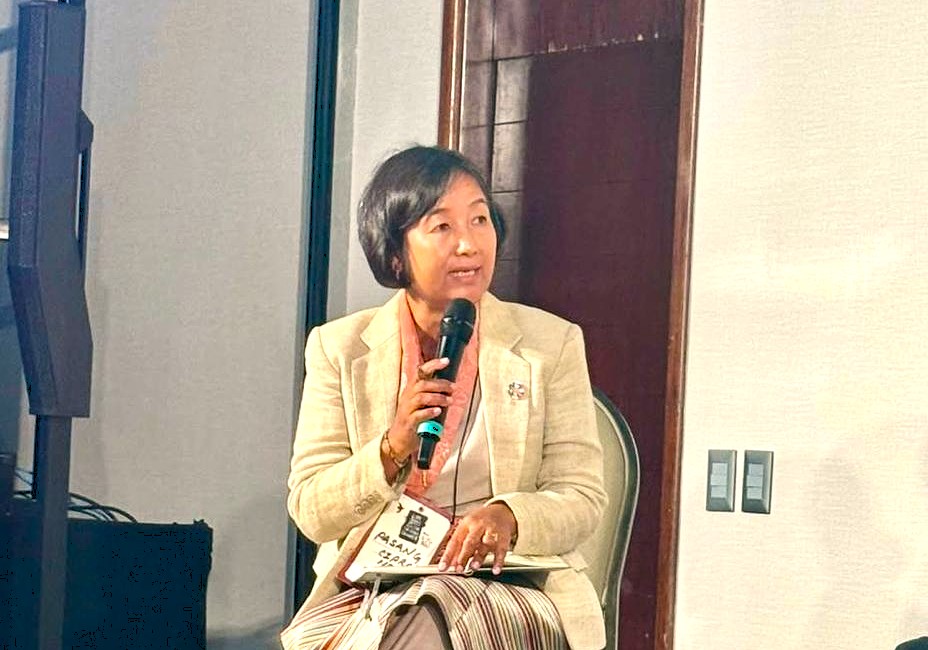
This was followed by the High-level panel – "State of Play: Community Economies in Practice" which discussed the crucial themes of community-led economies, land rights, conservation, climate resilience and the impacts of mainstream development and economic models.
Moderated by Dr Pasang Dolma Sherpa, the panel brought together the stories, voices and experiences from Asia, Africa and Latin America. The distinguished speakers of the panel included Dewi Kartika – Konsorsium Pembaruan Agraria (KPA), Indonesia; Stanley Ole Riamit Kimaren – Indigenous Livelihoods Enhancement Partners (ILEPA), Kenya; Patricia Veliz – Women’s Network on Self-Managed Economies, Guatemala; and Samuel Caetano – National Council of Traditional Peoples and Communities (CNPCT), Brazil.
The discussion focused on the urgent need to rethink and redefine the dominant economic systems by bringing the perspectives and leadership of Indigenous Peoples, Afro-descendant Peoples, pastoralists, women, and local communities. The panel emphasised that alternative sustainable economies already exist and have been practised by the communities for generations — rooted in solidarity, identity, sustainability, and relationships with land.
The conversation also reflected on the growing pressures posed by mainstream development and extractive economic systems while exploring pathways to strengthen community-led economies for the ecological balance, sustainability, and collective wellbeing of the present and future generations.


Related News & Events
-
 Nepal Dialogue UK Monthly Webinar series 2026 on The Himalayan Tsunami: Implications for Society and for Development
-
 Expert Panel Session on Indigenous Women Amchi in the Himalaya during the National Level Validation Workshop
-
 National Level Validation Workshop of ongoing study on Indigenous Women Amchi in the Himalayas
-
 Call for Research Grants | Indigenous Research on Climate Change
-
 Experience and Knowledge Sharing on Local Forest Act Formulation and Implementation
-
 Capacity Building Workshop among CIPRED Team in Pokhara | 19-21 August 2026